
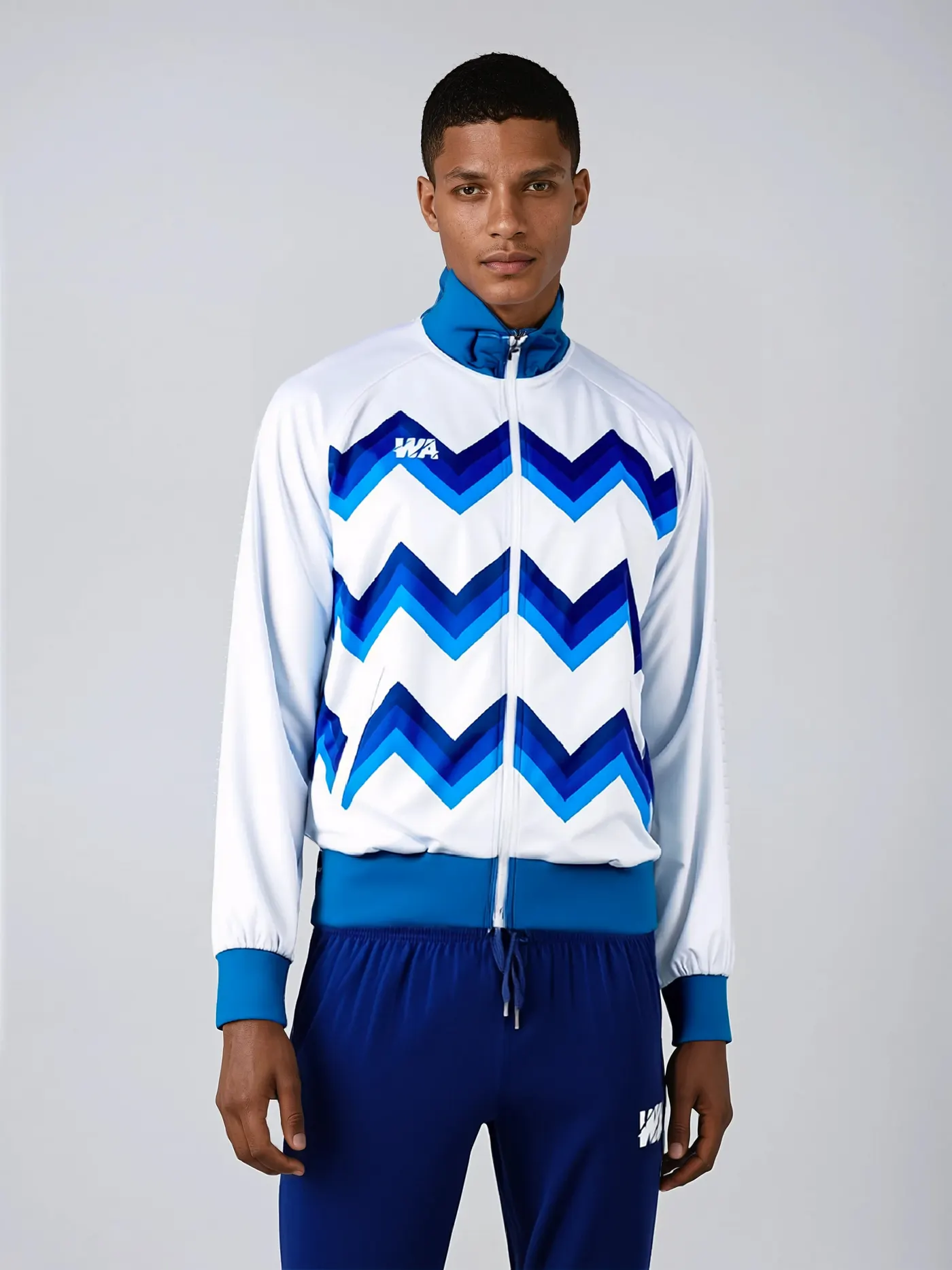
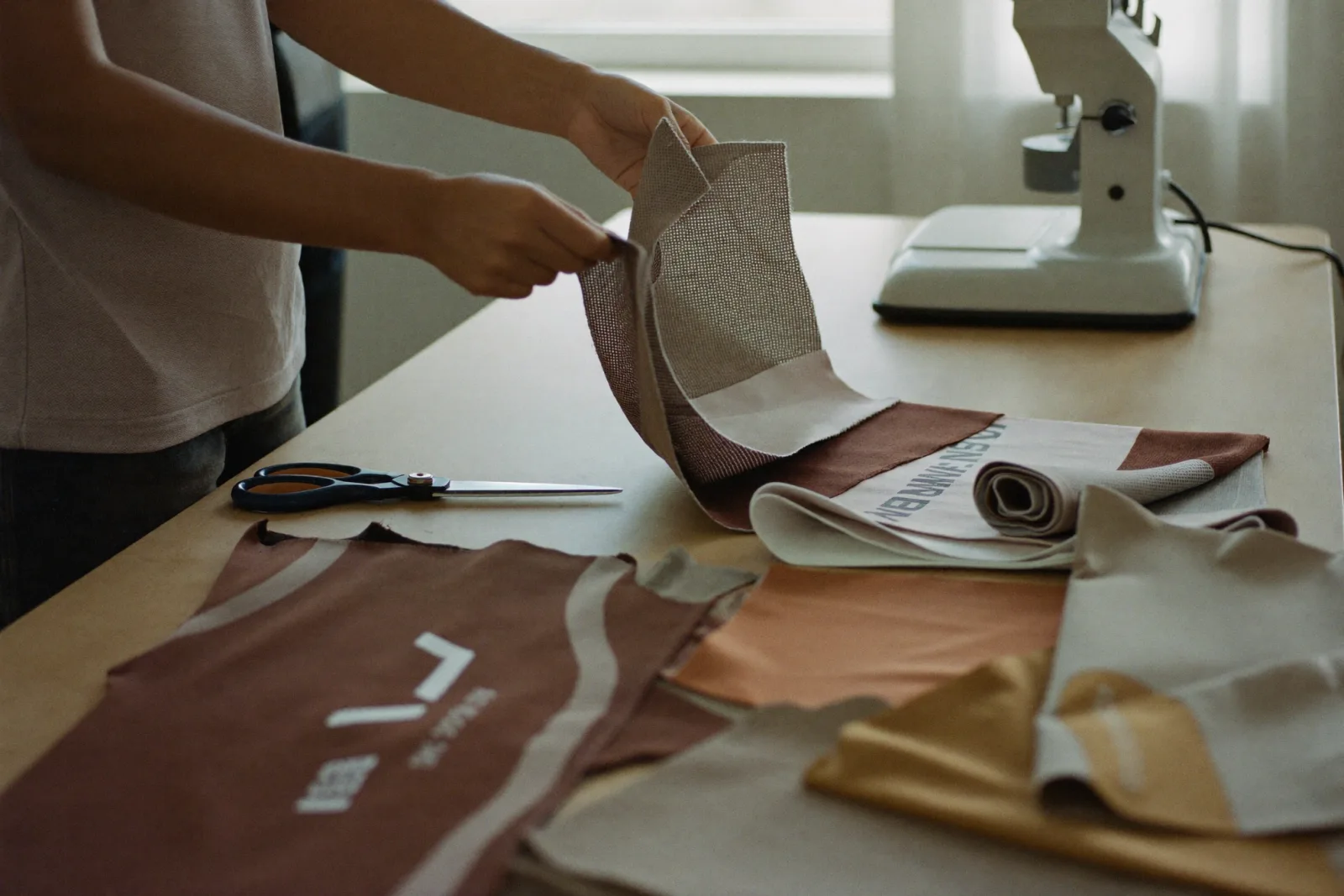
Three months of testing, seven fabrics rejected, one kept. The Mali Basket jersey looks like any other jersey — and that is exactly the point. Here is what it took.
A basketball jersey has to absorb two contradictory constraints. It must wick sweat fast enough never to cling, and hold its shape after fifty washes. Most technical knits manage the first and fail the second: after one season the collar has stretched and the armholes have twisted.
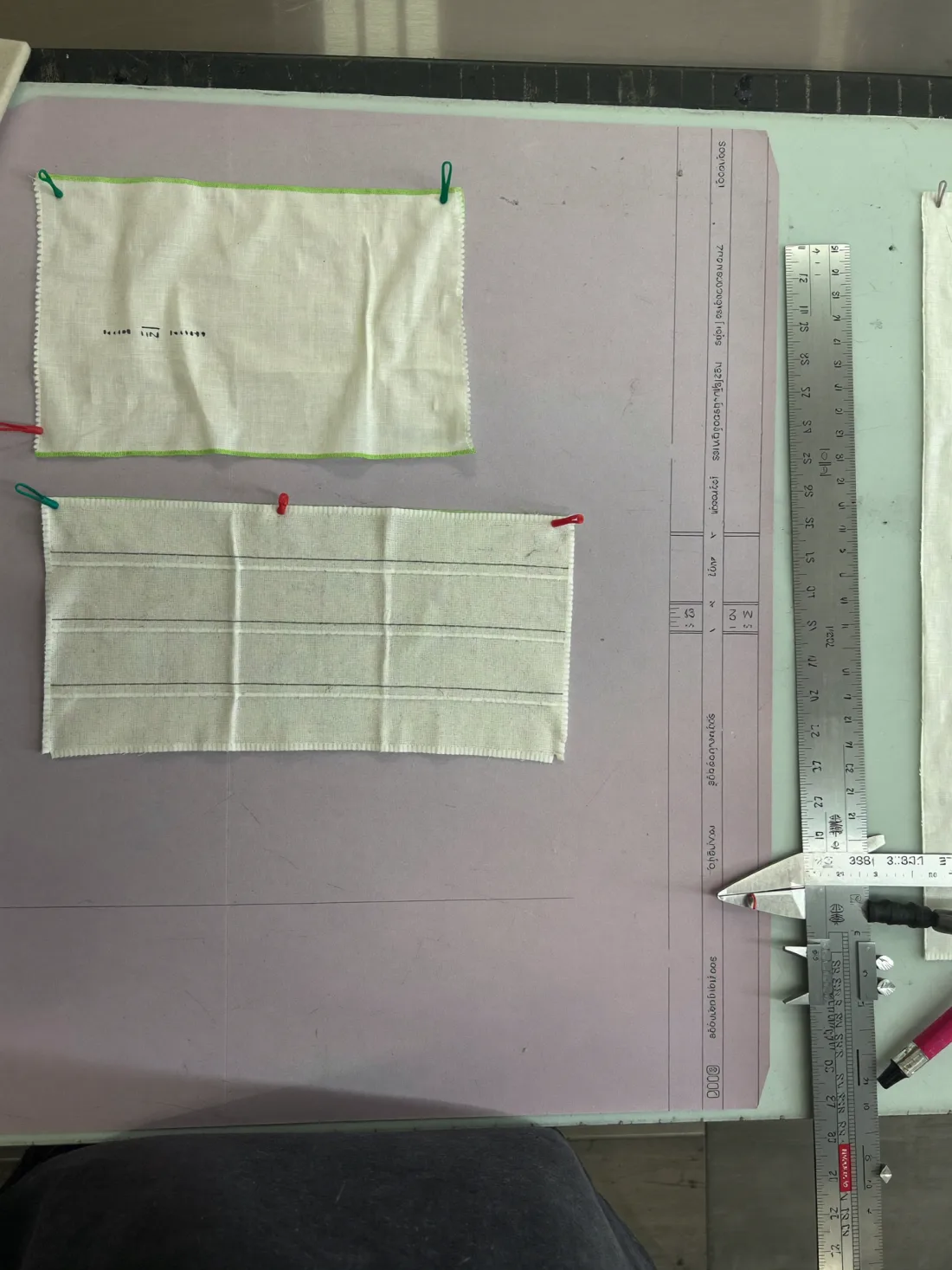
We started from a short brief. Weight between 140 and 150 g/m² — below that it turns see-through, above it turns heavy. Recycled polyester only. And elasticity measured at under 5 % deformation after the wash protocol we run in-house.
Seven rejections, one approval
The first two fabrics came from a Portuguese supplier. Excellent to the touch, they lost 9 % in width by the third wash. Three others passed the durability test but did not breathe: over a forty-minute game the knit saturated.
"We stopped looking for the perfect knit the day we accepted paying 18 % more per metre."
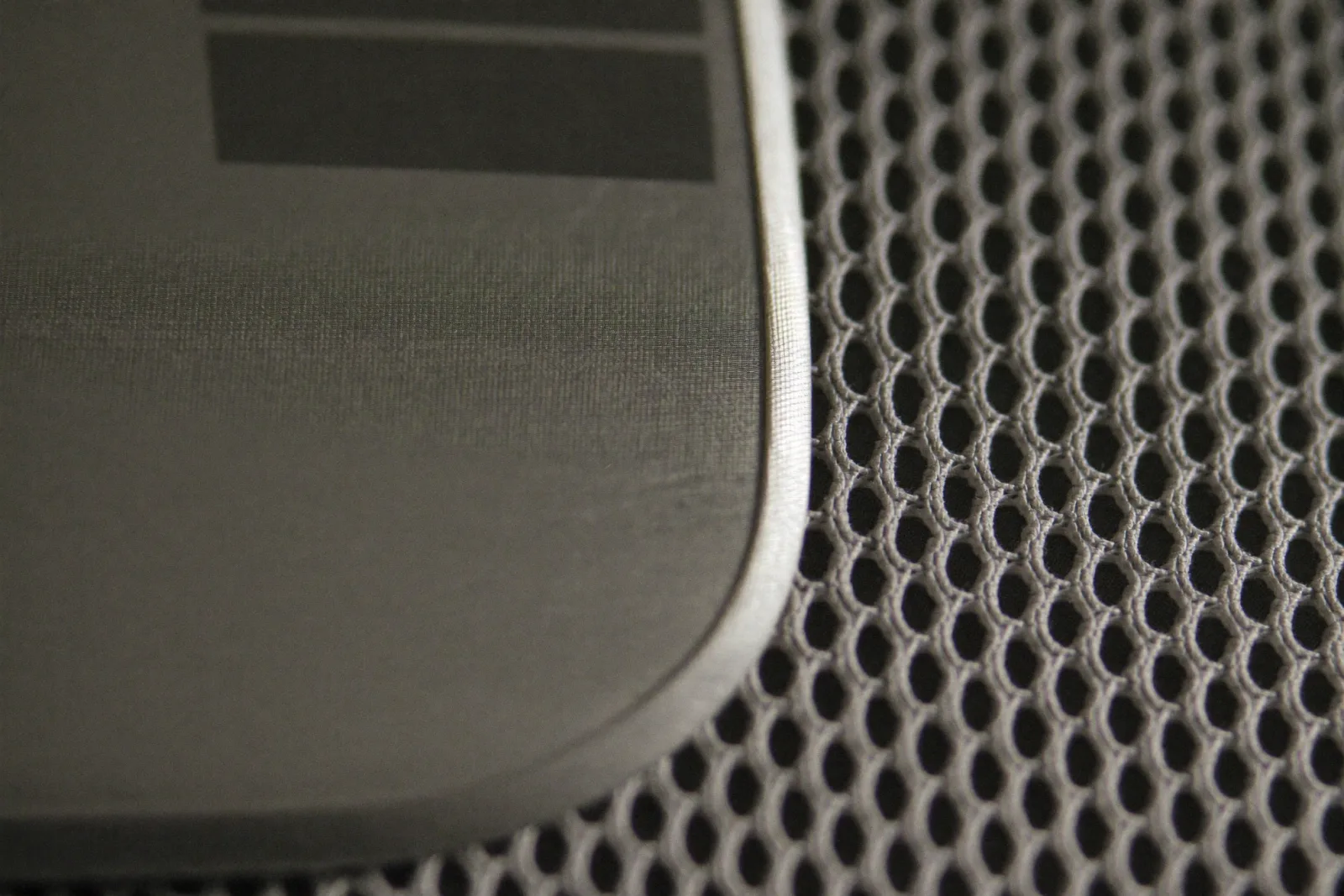
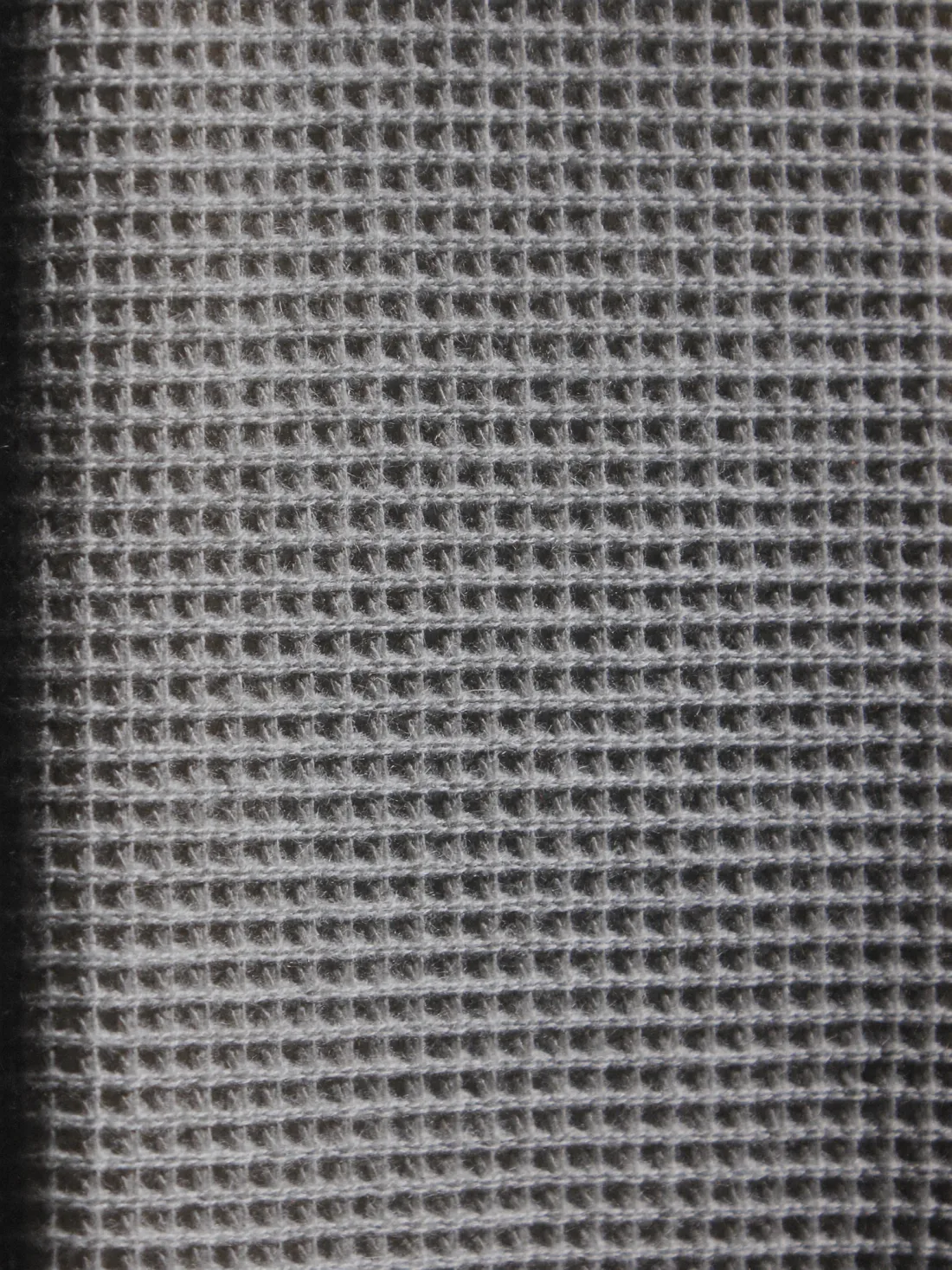
The chosen fabric is knitted in Italy, with a slightly waffled reverse that lifts the cloth off the skin. That detail makes the difference in use: air still circulates when the jersey is wet.
What it changes for you
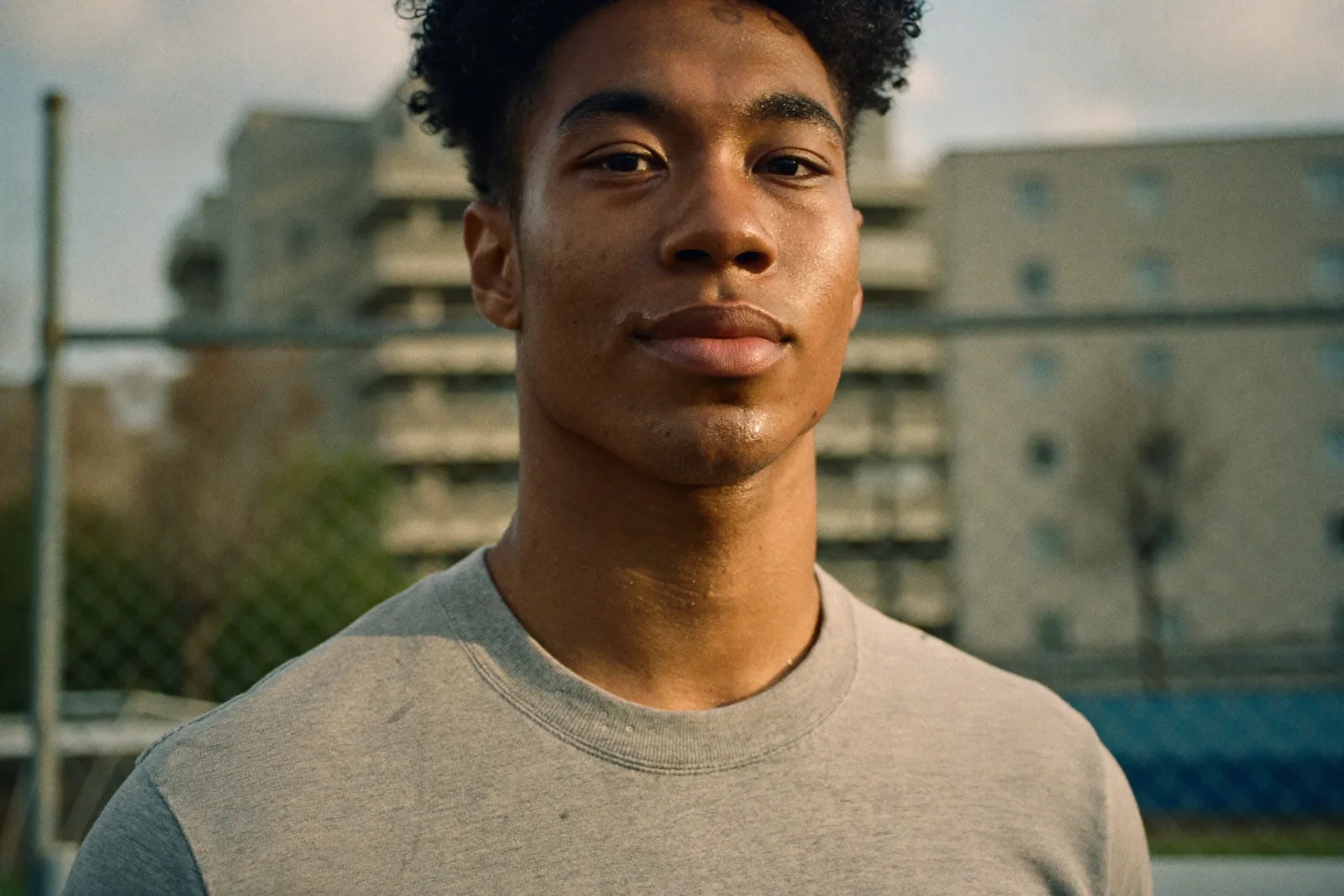
In practice: the jersey air-dries in twenty minutes, does not pill under the arms, and keeps its drape after a year of heavy use. We had twelve CAN des Quartiers players wear it through the whole 2025 season before approving production.
It also explains why we don't go below €39.99. At that price we are at the minimum margin that lets us keep this knit. The day we switch fabric to save three euros, we will tell you.